Sub-Zero & Wolf repair in Western Springs.
Independent Sub-Zero and Wolf repair requests in Western Springs, IL. Get appliance guidance and confirm ZIP-code coverage at (224) 347-1756.
Call (224) 347-1756 ↗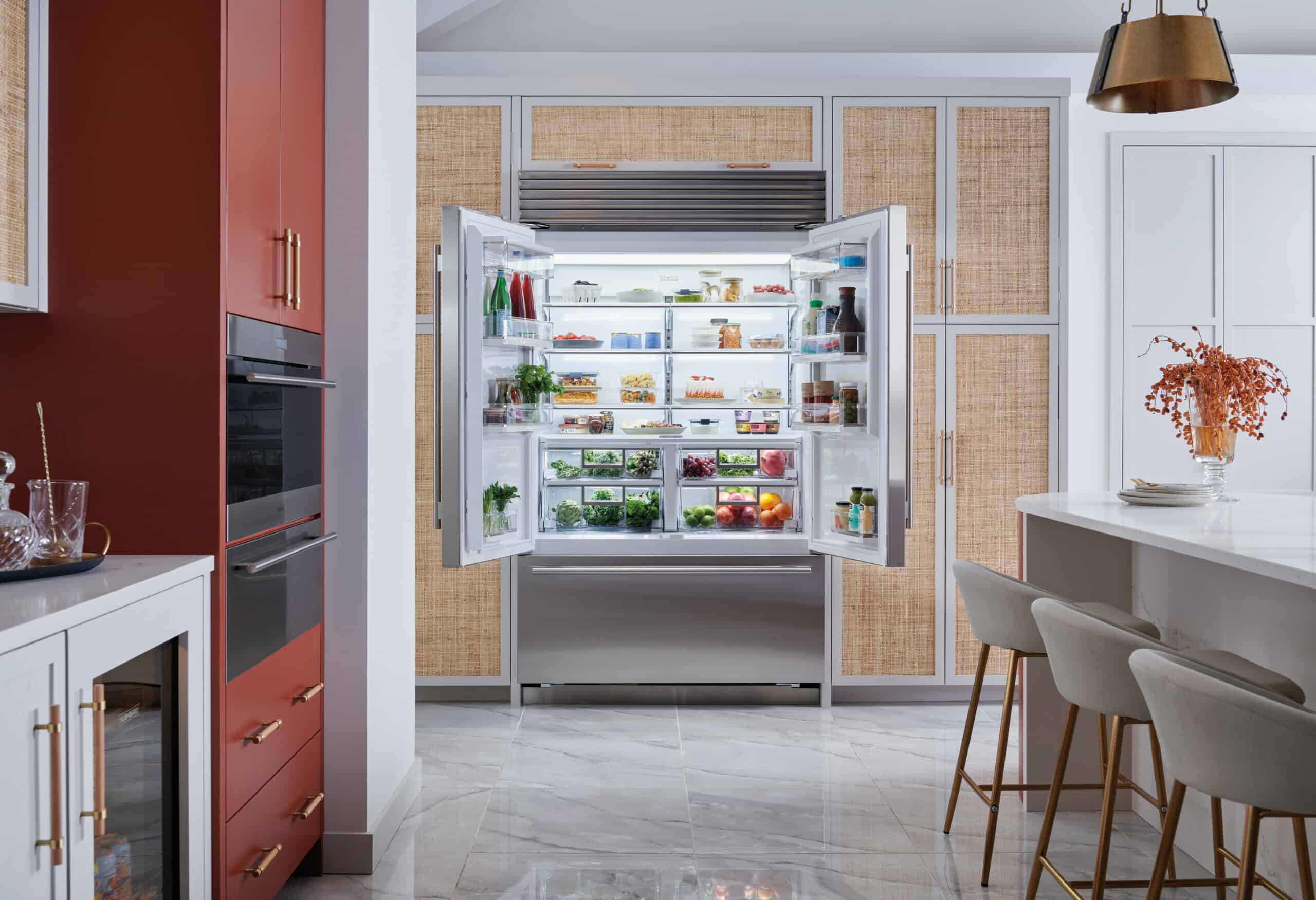
Track where freezer frost appears
For a Western Springs freezer request, describe the frost pattern rather than only saying the unit is iced up. Is it around the door, on food packages or concentrated on an interior surface? Mention any drawer obstruction or door alarm.
Avoid chipping ice or using heat. Safely photograph the pattern and share it with the model number. Persistent frost can require checks beyond the accessible door seal.
Choose the appliance that needs attention
Sub-Zero refrigeration
Cooling, ice, leaks and door-seal concerns for built-in refrigerators and freezers.
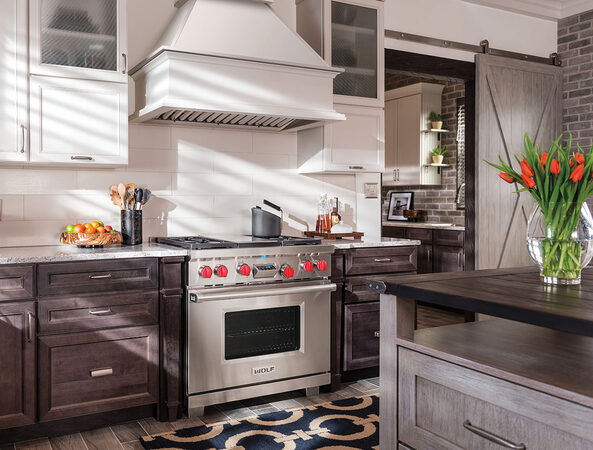
Wolf cooking appliances
Ovens, ranges and cooktops with heating, ignition or control issues.
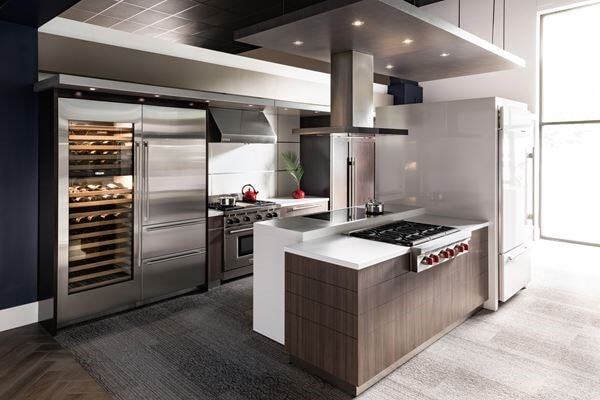
Wine storage
Temperature, door, fan and display concerns in Sub-Zero wine storage.
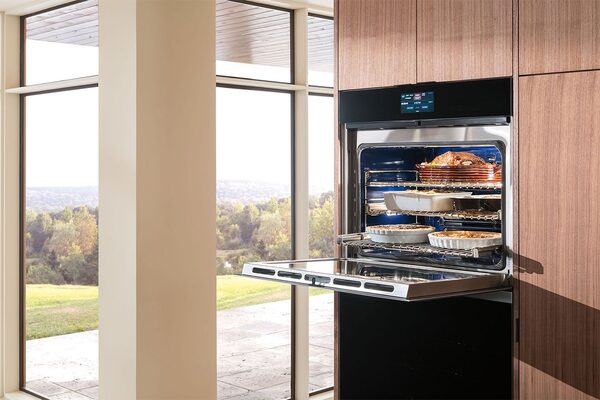
Care & maintenance
Condenser care, accessible seals and a practical maintenance plan.
Before you arrange a visit
- Have the model and serial number ready, along with the main symptom.
- Confirm coverage for your exact ZIP code and current appointment availability.
- Ask about the diagnostic charge, repair approval and parts availability.
- If manufacturer warranty may apply, check the official service channel first.
A useful guide for your request
Nearby service-area information
A drawer becomes difficult to open as frost returns
Imagine a Western Springs freezer where frost returns and a drawer begins resisting movement. The owner records the frost location, any door alarm and the dates of recurrence. The drawer is not forced, and sharp tools or heat are not used. A safe description is enough if a photograph would require moving stuck parts. This hypothetical example explains how to preserve the original condition for assessment. Ask whether the proposed repair addresses the recurring pattern and what observations will be useful afterward, rather than assuming that removing visible ice alone establishes a lasting repair.
Judge the repair by the original complaint
Ask the technician how the findings relate to the frost pattern, closure behavior and temperature history you reported. A recommendation should explain what is being corrected and what remains to be monitored. If a worn seal and a separate operating concern are found, ask whether the proposed work addresses both or only one.
Clarify access and parts before work is approved. A custom panel, difficult drawer or built-in installation can affect the work involved. Confirm how additional findings will be handled and whether they require a new approval. A repair estimate is more useful when it names the scope instead of offering a vague promise to “fix the ice.”
After the work, ask which normal-use observations will help confirm that the original problem has been addressed. Keep the service record and any applicable warranty terms. If frost returns, describe the location and timing rather than assuming that the same component has failed again.
Routine cleaning and repair should remain distinct in the conversation. Cleaning an accessible surface may be helpful care, but it is not a substitute for diagnosing repeated frost. If manufacturer warranty might apply, contact the manufacturer’s service channel before arranging independent paid work. Clear expectations make it easier to decide on the appropriate next step.
Map the visible water before assuming its source
Water can travel along a cabinet surface or collect in a low spot before it becomes visible. The location of a puddle is therefore a clue, not a diagnosis. Record whether you first noticed moisture inside the refrigerator, below a drawer, along a door edge or on the floor. If several locations are wet, describe which one appeared first and which one returns after safe cleanup.
Timing is another useful clue. Does the water seem continuous, appear after a particular operating event or become noticeable only when a door is opened? Do not run the appliance through repeated cycles to test a theory. Describe what has happened during ordinary use. A safe photo of the visible area can preserve details that may disappear before the appointment.
Tell the service provider whether cooling remains normal and whether you see frost or an ice sheet. Include recent filter changes, plumbing work, cleaning or appliance service as background. These events may be relevant, but none should be treated as proof of the cause without assessment.
Keep the description specific: “water reappears at the front right after wiping” is more informative than “the refrigerator is flooding.” At the same time, be clear about an urgent change or ongoing property damage. The amount of water, the rate at which it returns and any electrical concern help establish what immediate professional assistance may be needed.
Coordinate the people, property and appliance access
Confirm who will be present and able to discuss the appliance and approve work. If you are arranging service for a relative, tenant or another household member, make sure the contact details and approval process are clear. Do not assume that the person opening the door has the same information or authority as the person who made the initial call.
For a managed building, ask about contractor sign-in, service-elevator booking, parking and any documents required by management. Discuss those requirements before selecting a time. A building’s rules should be verified directly with its management; this website cannot know the access policy for a particular property.
For a home, describe stairs, gates, a long or restricted driveway and tight kitchen access where relevant. Share the exact location privately when arranging the appointment rather than posting access codes or personal details in a public place. Clear ordinary directions are usually more useful than an assumption that the technician will discover every restriction on arrival.
Clear loose items from the path and nearby work area. Keep pets and children away during service and allow cooking appliances to cool. Leave built-in equipment installed. If another trade recently altered cabinetry, plumbing or electrical work around the appliance, explain that history so the service provider can plan the appropriate assessment.
Use maintenance visits to ask better ownership questions
A planned care visit can be a useful time to discuss how the appliance is installed and used. Ask whether ventilation access is being obstructed by stored items, whether accessible seals show visible damage and whether the maintenance record is adequate. Keep the discussion tied to observations and the model’s instructions rather than requesting a promise that the appliance will never fail.
List any recurring concern separately. For example, occasional door alarms, an unusual sound or a change in ice production should each be described with timing and circumstances. Ask whether those concerns require a diagnostic assessment beyond the maintenance tasks you booked. This avoids confusion about what the visit is intended to accomplish.
Clarify exactly which tasks are included and which are optional. If additional work is recommended, ask what finding supports it and whether it addresses a current problem or future care. Approve a clear scope instead of an undefined package. Confirm charges and any applicable terms before work begins.
Keep a practical record afterward. The date, model, completed tasks and any recommended follow-up are usually more useful than a folder of generic maintenance advertisements. If the appliance later develops a problem, this record provides context without implying that routine care proves or rules out a particular failure.
Turn these observations into a useful local request
For a visit in Western Springs, begin with the exact municipality and ZIP code, then name the appliance and the function that changed. The topics above are selected to help you organize that conversation. They are not claims about which appliances are most common in the community or which failures occur there more often. A service-area page also does not represent a separate branch office.
Keep private property-access details for the scheduling conversation. Confirm current coverage, appointment availability, diagnostic charges and the process for approving work. If your appliance may be covered by a manufacturer warranty, use the manufacturer’s service channel before arranging independent paid work. For an immediate gas or electrical hazard, obtain the appropriate urgent assistance rather than waiting for a routine appointment.
Do you have an office in Western Springs?
These pages describe service-request areas. They do not represent separate branch offices. Call with your ZIP code to confirm coverage and availability.
Is this Factory Certified Service?
No. We are an independent repair service, not affiliated with or endorsed by Sub-Zero or Wolf. For manufacturer warranty work, use the manufacturer’s service locator.
