Sub-Zero & Wolf repair in Northfield.
Independent Sub-Zero and Wolf repair requests in Northfield, IL. Get appliance guidance and confirm ZIP-code coverage at (224) 347-1756.
Call (224) 347-1756 ↗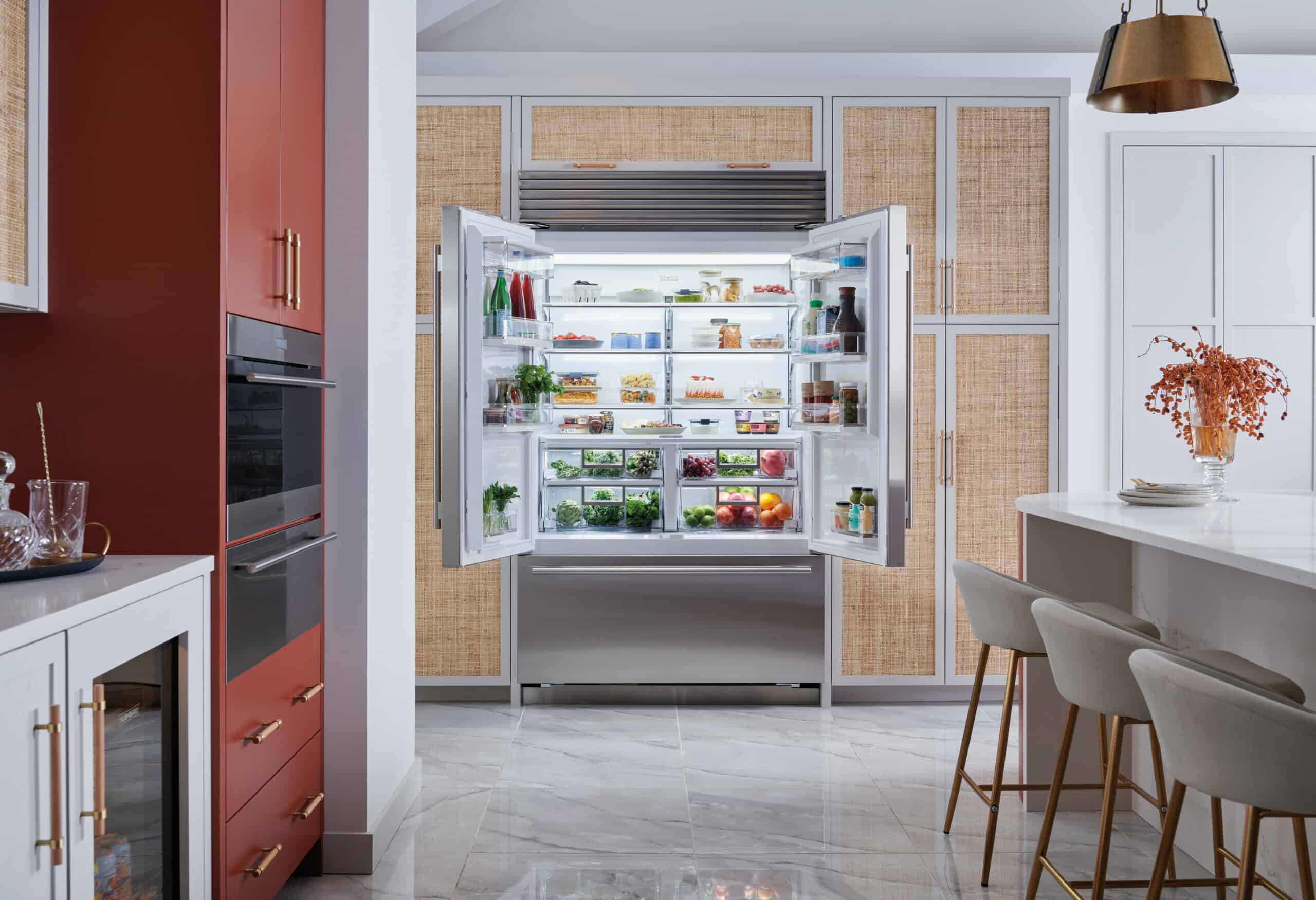
Keep maintenance and repair requests distinct
For a Northfield maintenance request, share the model and the last known condenser-care date. If the appliance is already warm, leaking or displaying a service alert, lead with that problem so the visit can be planned as an assessment.
Follow only the care instructions for your model and stop if safe access is unclear. Cleaning an accessible area does not establish the cause of a persistent fault. Keep a simple record of maintenance and repairs.
Choose the appliance that needs attention
Sub-Zero refrigeration
Cooling, ice, leaks and door-seal concerns for built-in refrigerators and freezers.
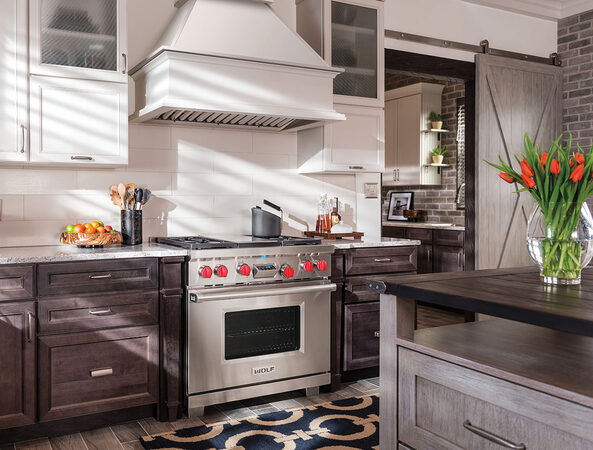
Wolf cooking appliances
Ovens, ranges and cooktops with heating, ignition or control issues.
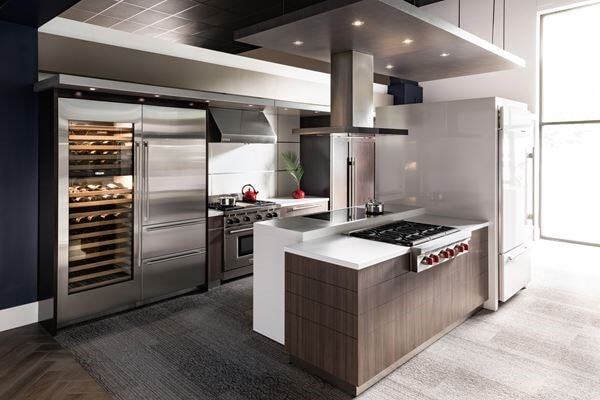
Wine storage
Temperature, door, fan and display concerns in Sub-Zero wine storage.
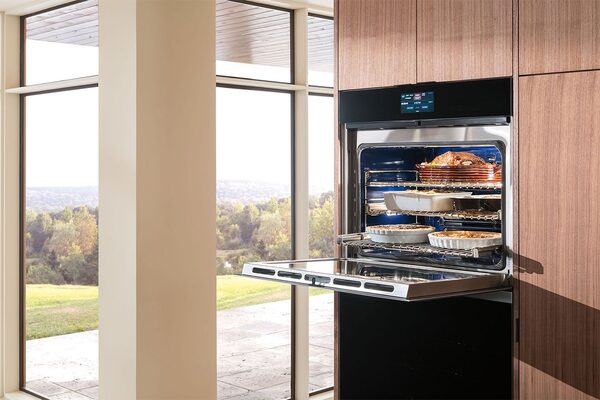
Care & maintenance
Condenser care, accessible seals and a practical maintenance plan.
Before you arrange a visit
- Have the model and serial number ready, along with the main symptom.
- Confirm coverage for your exact ZIP code and current appointment availability.
- Ask about the diagnostic charge, repair approval and parts availability.
- If manufacturer warranty may apply, check the official service channel first.
A useful guide for your request
Nearby service-area information
Routine care reveals a separate performance concern
Imagine a Northfield owner planning condenser care who also notices a recurring alert. The alert is raised first when booking, because the visit may need diagnosis in addition to maintenance. The owner records the last known care date and describes what was actually cleaned previously. No claim is made that cleaning will resolve the current symptom. This hypothetical scenario illustrates the distinction between maintaining an appliance and evaluating a fault. Ask which tasks are included, how a repair recommendation would be approved and what observations should be made if the concern remains after any work.
Recognize the limits of preventive care
Maintenance can be part of responsible ownership, but it does not guarantee a particular lifespan or eliminate every possible breakdown. A clean accessible area does not establish that controls, sensors or refrigeration components are functioning correctly. Likewise, an appliance that currently appears to work does not make it appropriate to ignore the manufacturer’s care instructions.
If a symptom persists after cleaning, return to the symptom history. Note what was cleaned, when the task was completed and whether anything changed. Do not repeat the same task indefinitely in place of diagnosis. Ask the service provider what an assessment would involve and what information is useful before the visit.
Avoid replacing parts solely as a speculative maintenance measure unless there is a clear, model-specific reason and you understand the proposal. Request an explanation of the expected benefit, cost and alternatives. A recommendation should be evaluated on the facts of your appliance rather than a general claim about what every owner should buy.
For a possible manufacturer-warranty issue, confirm the appropriate service route first. Keep care records and repair invoices together, but do not assume that independent maintenance creates or extends manufacturer coverage. The practical goal is a clear history, suitable routine care and timely assessment when performance changes—not a guarantee that can be inferred from a cleaning checklist.
Map the visible water before assuming its source
Water can travel along a cabinet surface or collect in a low spot before it becomes visible. The location of a puddle is therefore a clue, not a diagnosis. Record whether you first noticed moisture inside the refrigerator, below a drawer, along a door edge or on the floor. If several locations are wet, describe which one appeared first and which one returns after safe cleanup.
Timing is another useful clue. Does the water seem continuous, appear after a particular operating event or become noticeable only when a door is opened? Do not run the appliance through repeated cycles to test a theory. Describe what has happened during ordinary use. A safe photo of the visible area can preserve details that may disappear before the appointment.
Tell the service provider whether cooling remains normal and whether you see frost or an ice sheet. Include recent filter changes, plumbing work, cleaning or appliance service as background. These events may be relevant, but none should be treated as proof of the cause without assessment.
Keep the description specific: “water reappears at the front right after wiping” is more informative than “the refrigerator is flooding.” At the same time, be clear about an urgent change or ongoing property damage. The amount of water, the rate at which it returns and any electrical concern help establish what immediate professional assistance may be needed.
Coordinate the people, property and appliance access
Confirm who will be present and able to discuss the appliance and approve work. If you are arranging service for a relative, tenant or another household member, make sure the contact details and approval process are clear. Do not assume that the person opening the door has the same information or authority as the person who made the initial call.
For a managed building, ask about contractor sign-in, service-elevator booking, parking and any documents required by management. Discuss those requirements before selecting a time. A building’s rules should be verified directly with its management; this website cannot know the access policy for a particular property.
For a home, describe stairs, gates, a long or restricted driveway and tight kitchen access where relevant. Share the exact location privately when arranging the appointment rather than posting access codes or personal details in a public place. Clear ordinary directions are usually more useful than an assumption that the technician will discover every restriction on arrival.
Clear loose items from the path and nearby work area. Keep pets and children away during service and allow cooking appliances to cool. Leave built-in equipment installed. If another trade recently altered cabinetry, plumbing or electrical work around the appliance, explain that history so the service provider can plan the appropriate assessment.
Make the kitchen ready while keeping the appliance installed
The useful preparation is usually around the appliance, not inside its machinery. Clear a route through the kitchen, remove fragile items from nearby counters and arrange a safe place for pets. Mention tight corners, stairs or building access requirements when you request service. These details help the visit begin with a realistic understanding of the installation.
Leave a built-in refrigerator in its normal position. Custom panels, trim, anti-tip arrangements and connections may affect how access is obtained. Pulling the appliance out in advance can create a second problem or damage surrounding surfaces. If the kitchen has been renovated, describe the changes and whether anyone recently adjusted a door or cabinet panel. You do not need to remove trim to provide that information.
Keep the model and serial number available in a photo or written note. Use the location shown in the owner’s manual rather than taking covers off to search for a label. If a label is not accessible, tell the service provider what information you have and ask how to proceed. A purchase record or previous service document may help identify the appliance without unnecessary disassembly.
Ask whether the technician wants any particular observations before arrival. Do not deliberately warm the unit, leave a door open or recreate an unsafe condition to demonstrate the fault. Preserve ordinary operating conditions when safe, explain what happened and let the diagnostic plan determine the next step. If the situation changes before the appointment, report the change rather than relying on the original description.
Turn these observations into a useful local request
For a visit in Northfield, begin with the exact municipality and ZIP code, then name the appliance and the function that changed. The topics above are selected to help you organize that conversation. They are not claims about which appliances are most common in the community or which failures occur there more often. A service-area page also does not represent a separate branch office.
Keep private property-access details for the scheduling conversation. Confirm current coverage, appointment availability, diagnostic charges and the process for approving work. If your appliance may be covered by a manufacturer warranty, use the manufacturer’s service channel before arranging independent paid work. For an immediate gas or electrical hazard, obtain the appropriate urgent assistance rather than waiting for a routine appointment.
Do you have an office in Northfield?
These pages describe service-request areas. They do not represent separate branch offices. Call with your ZIP code to confirm coverage and availability.
Is this Factory Certified Service?
No. We are an independent repair service, not affiliated with or endorsed by Sub-Zero or Wolf. For manufacturer warranty work, use the manufacturer’s service locator.
