Sub-Zero & Wolf repair in Naperville.
Independent Sub-Zero and Wolf repair requests in Naperville, IL. Get appliance guidance and confirm ZIP-code coverage at (224) 347-1756.
Call (224) 347-1756 ↗
Group the right information for the service call
For a Naperville request, provide the ZIP code first so coverage and scheduling can be confirmed. Have the model, serial number and one clear description of the fault available. Mention if more than one appliance needs an assessment.
For a built-in unit, note cabinetry and access restrictions. For a managed property, check sign-in and parking requirements. Confirm diagnostic charges, proposed work and any applicable repair warranty before approval.
Choose the appliance that needs attention
Sub-Zero refrigeration
Cooling, ice, leaks and door-seal concerns for built-in refrigerators and freezers.
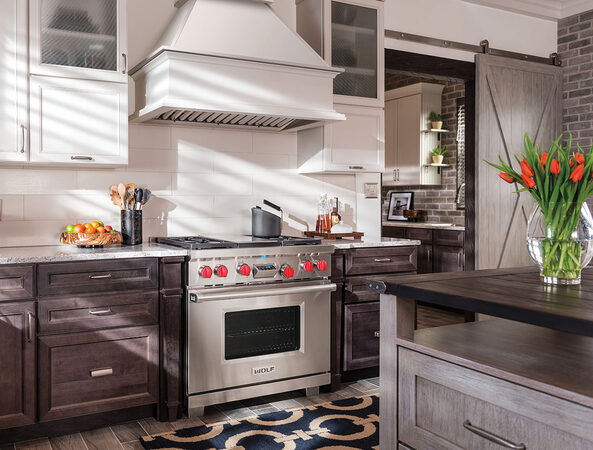
Wolf cooking appliances
Ovens, ranges and cooktops with heating, ignition or control issues.
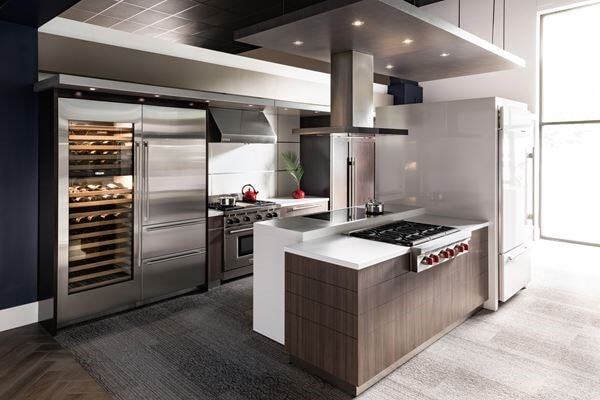
Wine storage
Temperature, door, fan and display concerns in Sub-Zero wine storage.
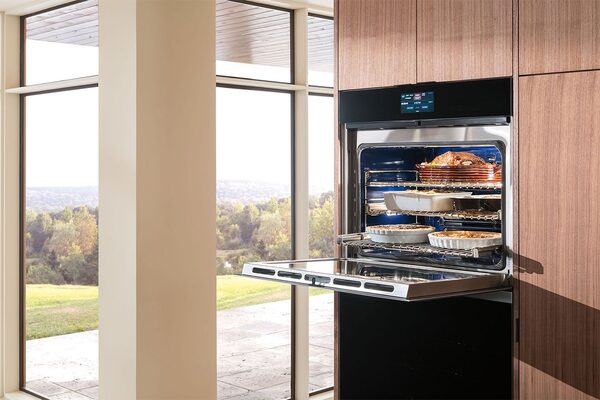
Care & maintenance
Condenser care, accessible seals and a practical maintenance plan.
Before you arrange a visit
- Have the model and serial number ready, along with the main symptom.
- Confirm coverage for your exact ZIP code and current appointment availability.
- Ask about the diagnostic charge, repair approval and parts availability.
- If manufacturer warranty may apply, check the official service channel first.
A useful guide for your request
Nearby service-area information
A request begins with coverage and appliance identification
An illustrative Naperville call starts with the municipality and ZIP code so coverage and current scheduling can be confirmed. The owner then provides the exact model, main symptom and any building-access requirement. If a second appliance needs attention, it is listed separately before the appointment scope is agreed. This is a planning example, not a guaranteed service promise. Confirm diagnostic charges, how additional work will be approved and whether model-specific parts could require a return visit. Clear initial information makes the conversation useful without promising a price or completion time before diagnosis.
Build a concise record before choosing an appointment
Start with the appliance brand, exact model and serial number if available. Use the owner’s manual to locate the label through normal safe access. A photo of the label can be easier than reading a long sequence of characters over the phone. If the label cannot be reached, say so and share purchase or prior service information that may help identify the unit.
Write one sentence describing the main concern, followed by when it began and whether it is constant or intermittent. Add the affected compartment, oven cavity, burner or wine-storage zone. This makes the request specific without requiring technical expertise. Keep separate appliances and separate symptoms on separate lines so the intended scope is clear.
Record a display message exactly when it can be viewed safely. A photo of visible water, frost or an accessible door gap may also help. Do not remove panels, move a built-in appliance or deliberately repeat an unsafe event to obtain evidence. A written description is enough when a photograph would require risky access.
Include relevant events such as a power interruption, cleaning, filter change, installation work or previous repair. Present them as a timeline rather than as proven causes. The service provider can then ask focused questions and explain what an assessment would involve. Accurate uncertainty is more useful than a confident component diagnosis made without inspection.
Look at doors, shelves and ventilation access
Check whether a bottle, shelf or loose item visibly prevents normal door closure. Address only an obvious obstruction that can be moved safely through ordinary access. Note a visible gap or accessible gasket damage, but do not remove trim, adjust hinges or force a shelf into position. A door complaint should be described clearly and assessed in the context of the installation.
Keep intended ventilation openings unobstructed. Do not store items against an opening simply because the appliance is built into cabinetry. If the installation has changed, explain what was added or moved. Avoid assuming that a decorative panel or new cabinet feature has no effect without checking the model’s requirements with an appropriate professional.
Leave an undercounter or built-in wine unit installed. Pulling it out can affect connections and surrounding finishes. Tell the service provider about tight clearances or difficult access when scheduling so the visit can be planned with the installation in mind.
If a sound or vibration accompanies the temperature concern, record its location and timing during ordinary safe use. Do not remove a cover or reach toward a fan to locate it. The combination of temperature history, door behavior and operating observations is more useful than a guess that one sensor or motor must be responsible.
Understand diagnosis, approval and completion as separate steps
A diagnostic visit is intended to establish the problem and possible next steps. It does not automatically mean that every required part is already available or that the repair will be completed during the same visit. Ask what the diagnostic charge covers and how a proposed repair will be presented before you choose an appointment.
When a recommendation is made, ask how it relates to the original complaint. Clarify the part or task involved, labor, access requirements and any expected follow-up visit. If more than one issue is found, ask which work is necessary for the current problem and which is optional or separate. This helps keep the approval decision concrete.
Confirm how additional findings or changes in scope will be handled. A clear approval process is more useful than an open-ended instruction to do whatever seems necessary. Ask about applicable warranty terms for the proposed work and retain them with the invoice. Do not assume that independent service is covered by a manufacturer warranty.
If the appliance may qualify for manufacturer-warranty work, contact the manufacturer or use its official service locator before authorizing independent paid service. Keep the choice of service route separate from the urgency of an ordinary appointment. For an immediate hazard, obtain appropriate emergency assistance instead of waiting for a routine repair assessment.
Recognize the limits of preventive care
Maintenance can be part of responsible ownership, but it does not guarantee a particular lifespan or eliminate every possible breakdown. A clean accessible area does not establish that controls, sensors or refrigeration components are functioning correctly. Likewise, an appliance that currently appears to work does not make it appropriate to ignore the manufacturer’s care instructions.
If a symptom persists after cleaning, return to the symptom history. Note what was cleaned, when the task was completed and whether anything changed. Do not repeat the same task indefinitely in place of diagnosis. Ask the service provider what an assessment would involve and what information is useful before the visit.
Avoid replacing parts solely as a speculative maintenance measure unless there is a clear, model-specific reason and you understand the proposal. Request an explanation of the expected benefit, cost and alternatives. A recommendation should be evaluated on the facts of your appliance rather than a general claim about what every owner should buy.
For a possible manufacturer-warranty issue, confirm the appropriate service route first. Keep care records and repair invoices together, but do not assume that independent maintenance creates or extends manufacturer coverage. The practical goal is a clear history, suitable routine care and timely assessment when performance changes—not a guarantee that can be inferred from a cleaning checklist.
Turn these observations into a useful local request
For a visit in Naperville, begin with the exact municipality and ZIP code, then name the appliance and the function that changed. The topics above are selected to help you organize that conversation. They are not claims about which appliances are most common in the community or which failures occur there more often. A service-area page also does not represent a separate branch office.
Keep private property-access details for the scheduling conversation. Confirm current coverage, appointment availability, diagnostic charges and the process for approving work. If your appliance may be covered by a manufacturer warranty, use the manufacturer’s service channel before arranging independent paid work. For an immediate gas or electrical hazard, obtain the appropriate urgent assistance rather than waiting for a routine appointment.
Do you have an office in Naperville?
These pages describe service-request areas. They do not represent separate branch offices. Call with your ZIP code to confirm coverage and availability.
Is this Factory Certified Service?
No. We are an independent repair service, not affiliated with or endorsed by Sub-Zero or Wolf. For manufacturer warranty work, use the manufacturer’s service locator.
