Sub-Zero & Wolf repair in Long Grove.
Independent Sub-Zero and Wolf repair requests in Long Grove, IL. Get appliance guidance and confirm ZIP-code coverage at (224) 347-1756.
Call (224) 347-1756 ↗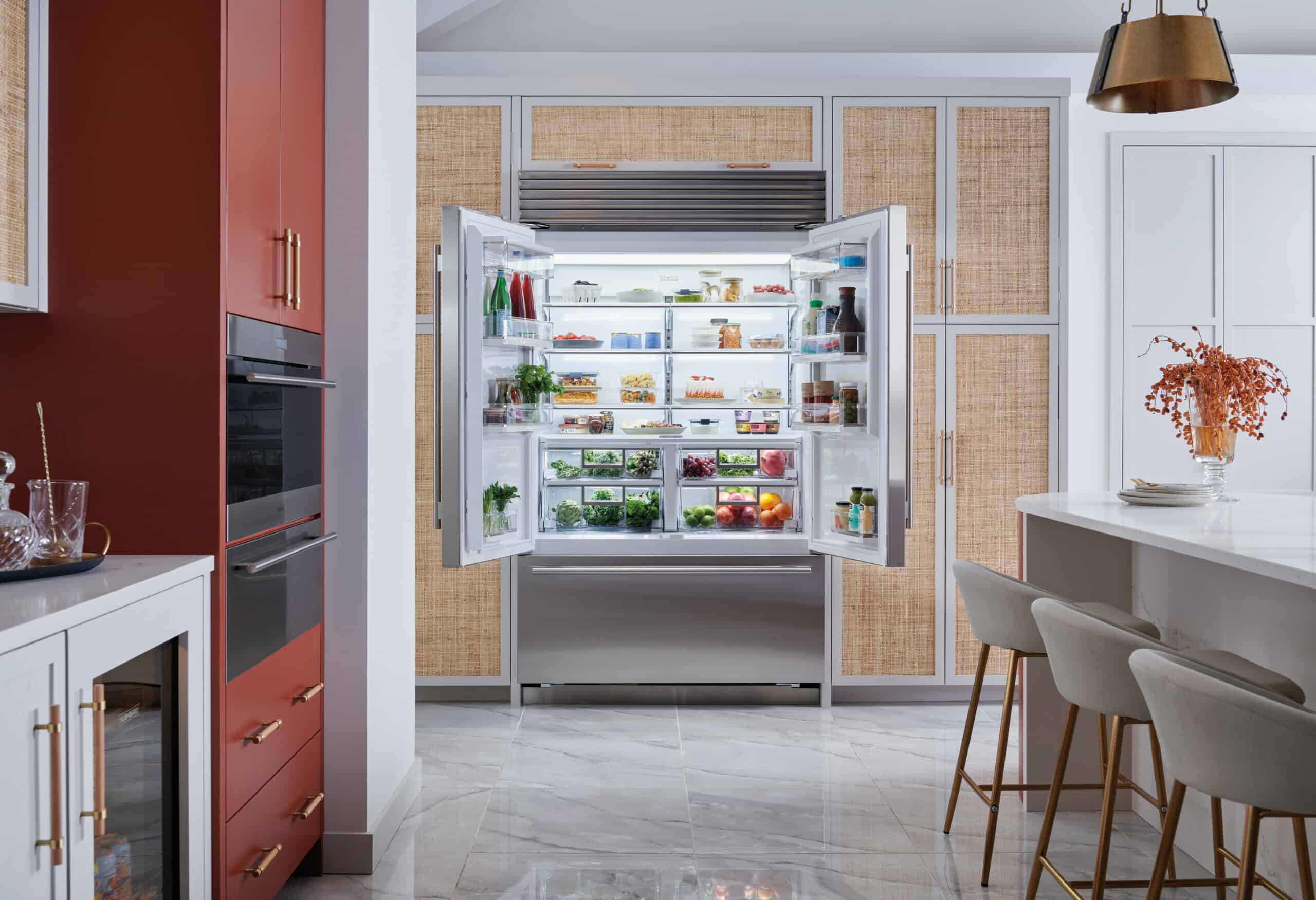
Share access and the complete appliance model
For a Long Grove service request, include the ZIP code, driveway or gate instructions and the model number. If a kitchen has multiple refrigeration units, identify the affected appliance clearly so the request does not combine unrelated symptoms.
For a missing-ice complaint, mention freezer performance and recent water-supply changes. Keep the bin and mechanism in their normal positions; do not force an ice jam or remove panels.
Choose the appliance that needs attention
Sub-Zero refrigeration
Cooling, ice, leaks and door-seal concerns for built-in refrigerators and freezers.
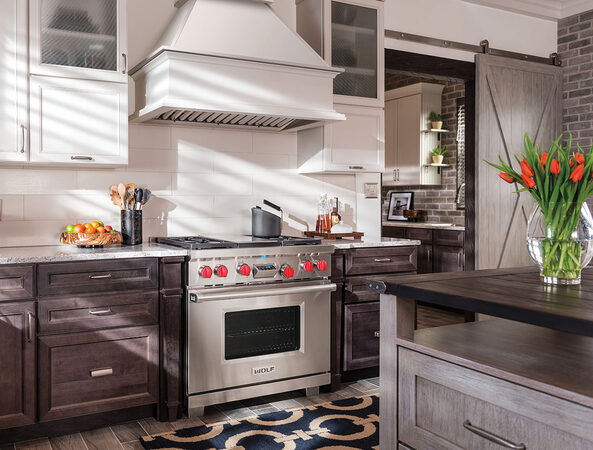
Wolf cooking appliances
Ovens, ranges and cooktops with heating, ignition or control issues.
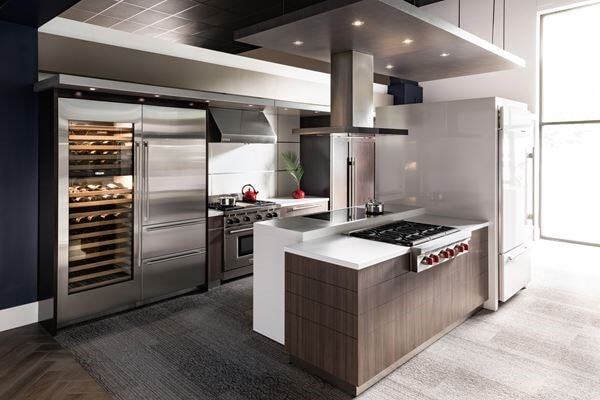
Wine storage
Temperature, door, fan and display concerns in Sub-Zero wine storage.
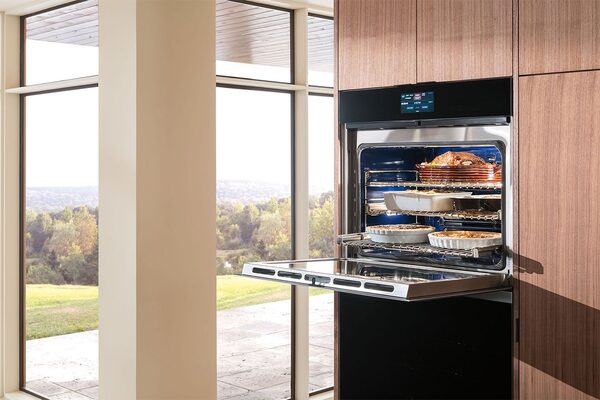
Care & maintenance
Condenser care, accessible seals and a practical maintenance plan.
Before you arrange a visit
- Have the model and serial number ready, along with the main symptom.
- Confirm coverage for your exact ZIP code and current appointment availability.
- Ask about the diagnostic charge, repair approval and parts availability.
- If manufacturer warranty may apply, check the official service channel first.
A useful guide for your request
Nearby service-area information
An ice concern in a kitchen with matching panels
Consider a Long Grove request where two refrigeration appliances have matching fronts. The owner identifies which model contains the affected ice maker and reports whether that unit also has a cooling concern. Water-supply changes and any visible leak are listed separately. Property access is confirmed when scheduling, without posting gate details publicly. This is an illustrative planning situation. Clear appliance identification helps prevent parts or symptom history from being assigned to the wrong unit. Ask for a diagnosis tied to that specific model and confirm the proposed scope before a component is ordered.
Avoid making an ice jam into a second repair
Do not put fingers or tools into an ice-making mechanism that could move. A jam should not be forced with a screwdriver, knife or improvised lever. Even if a piece of ice looks easy to reach, the surrounding components may be more delicate than they appear. Follow the model’s owner instructions for any user-accessible bin removal and stop if the procedure is unclear.
Keep heat sources and sharp objects away from an iced-up area. A hair dryer or heat gun can damage materials, and a sharp tool can puncture or scratch components that were not part of the original problem. Do not remove an interior panel to investigate. If a drawer or bin is stuck, explain that limitation when arranging the visit rather than forcing it open for a better photograph.
Photos are useful only when they can be taken during safe, ordinary access. Capture the visible ice pattern, the bin position or a display message from outside the mechanism. A written description is sufficient when access is difficult. No service request requires you to recreate a jam or bypass a cover.
Ask how to manage the affected feature while waiting for assessment and refer to the manual for any model-specific setting. Keep other users of the kitchen informed so someone does not unknowingly force the same part. If the situation includes a leak or a cooling problem, report those changes rather than continuing to treat it as an isolated ice complaint.
Evaluate a cooling-repair proposal in context
A useful proposal connects the reported problem to the findings from the assessment. Ask what was checked, what the recommended work is expected to correct and whether other concerns were found. Request a clear distinction between work needed for the current complaint and optional maintenance. You can then decide with an understanding of the scope instead of comparing an unexplained list of parts.
Price comparisons are only meaningful when they cover the same work. Ask whether a quoted amount includes diagnosis, labor, the proposed part, any return visit and applicable charges. Clarify how changes will be approved if another issue is discovered. There is no universal price or completion time that can be responsibly inferred from “not cooling” alone; the model, diagnosis, access and part availability matter.
If you are considering replacement, account for the installation as well as the appliance price. Cabinet dimensions, custom panels, access and the desired kitchen layout can affect that decision. An older appliance is not automatically beyond repair, and an expensive appliance is not automatically economical to repair. Ask for the facts that apply to your unit and compare the options using the same assumptions.
Before the visit ends, ask what operating behavior should be expected after the work, what observations to make and when to report an unresolved concern. Keep the invoice, model information and any applicable repair-warranty terms together. For possible manufacturer-warranty work, confirm the correct service channel with the manufacturer before authorizing independent paid service.
Build a concise record before choosing an appointment
Start with the appliance brand, exact model and serial number if available. Use the owner’s manual to locate the label through normal safe access. A photo of the label can be easier than reading a long sequence of characters over the phone. If the label cannot be reached, say so and share purchase or prior service information that may help identify the unit.
Write one sentence describing the main concern, followed by when it began and whether it is constant or intermittent. Add the affected compartment, oven cavity, burner or wine-storage zone. This makes the request specific without requiring technical expertise. Keep separate appliances and separate symptoms on separate lines so the intended scope is clear.
Record a display message exactly when it can be viewed safely. A photo of visible water, frost or an accessible door gap may also help. Do not remove panels, move a built-in appliance or deliberately repeat an unsafe event to obtain evidence. A written description is enough when a photograph would require risky access.
Include relevant events such as a power interruption, cleaning, filter change, installation work or previous repair. Present them as a timeline rather than as proven causes. The service provider can then ask focused questions and explain what an assessment would involve. Accurate uncertainty is more useful than a confident component diagnosis made without inspection.
Keep access, power and cleaning methods within the manual
Read the complete care procedure before opening an access area. Follow the manufacturer’s instructions for power isolation and the intended method of cleaning. If the correct access point is unclear, stop and ask for professional help. Guessing from a photograph of another model is not a safe substitute for the right instructions.
Do not bend condenser fins, apply improvised chemicals or reach beyond the designated owner-accessible area. Electrical covers and sealed refrigeration components should remain in place. A cleaning task should not become an exploration of wiring or tubing. If debris is beyond what the approved method can reach, describe that limitation rather than forcing a tool deeper.
For a built-in installation, leave the appliance in its cabinet unless the model’s instructions explicitly describe an appropriate owner task that requires otherwise. Cabinet panels, connections and securing arrangements can make movement more involved than it appears. Tell the service provider about restricted access so the work can be planned correctly.
Keep cleaning products and tools appropriate to the surface or task. Care for a door gasket, stainless surface and cooking component may call for different methods. Finish by recording what was done and any concern noticed during normal access. The record should not claim an inspection of components you did not actually inspect.
Turn these observations into a useful local request
For a visit in Long Grove, begin with the exact municipality and ZIP code, then name the appliance and the function that changed. The topics above are selected to help you organize that conversation. They are not claims about which appliances are most common in the community or which failures occur there more often. A service-area page also does not represent a separate branch office.
Keep private property-access details for the scheduling conversation. Confirm current coverage, appointment availability, diagnostic charges and the process for approving work. If your appliance may be covered by a manufacturer warranty, use the manufacturer’s service channel before arranging independent paid work. For an immediate gas or electrical hazard, obtain the appropriate urgent assistance rather than waiting for a routine appointment.
Do you have an office in Long Grove?
These pages describe service-request areas. They do not represent separate branch offices. Call with your ZIP code to confirm coverage and availability.
Is this Factory Certified Service?
No. We are an independent repair service, not affiliated with or endorsed by Sub-Zero or Wolf. For manufacturer warranty work, use the manufacturer’s service locator.
